
"Nature makes no distinctions": The work of Ellen Rohaan
Ellen Rohaan, 49, associate professor
Ellen Rohaan (49) is an associate professor who has spent years exploring why nature can provide such a powerful environment for learning and personal development. For her, the answer lies in a few simple but important principles that can be observed when we step outside.
“‘In nature, there’s more room for reflection because of the way our brains work,’” she explains. ‘“Nature gives us direct feedback, for example through the weather, and everyone is equal before nature. It makes no distinctions.’” Nature also brings challenges and a sense of adventure, encouraging people to rely on themselves and on one another. Together, these elements create an environment where people can develop, both individually and as part of a collective.
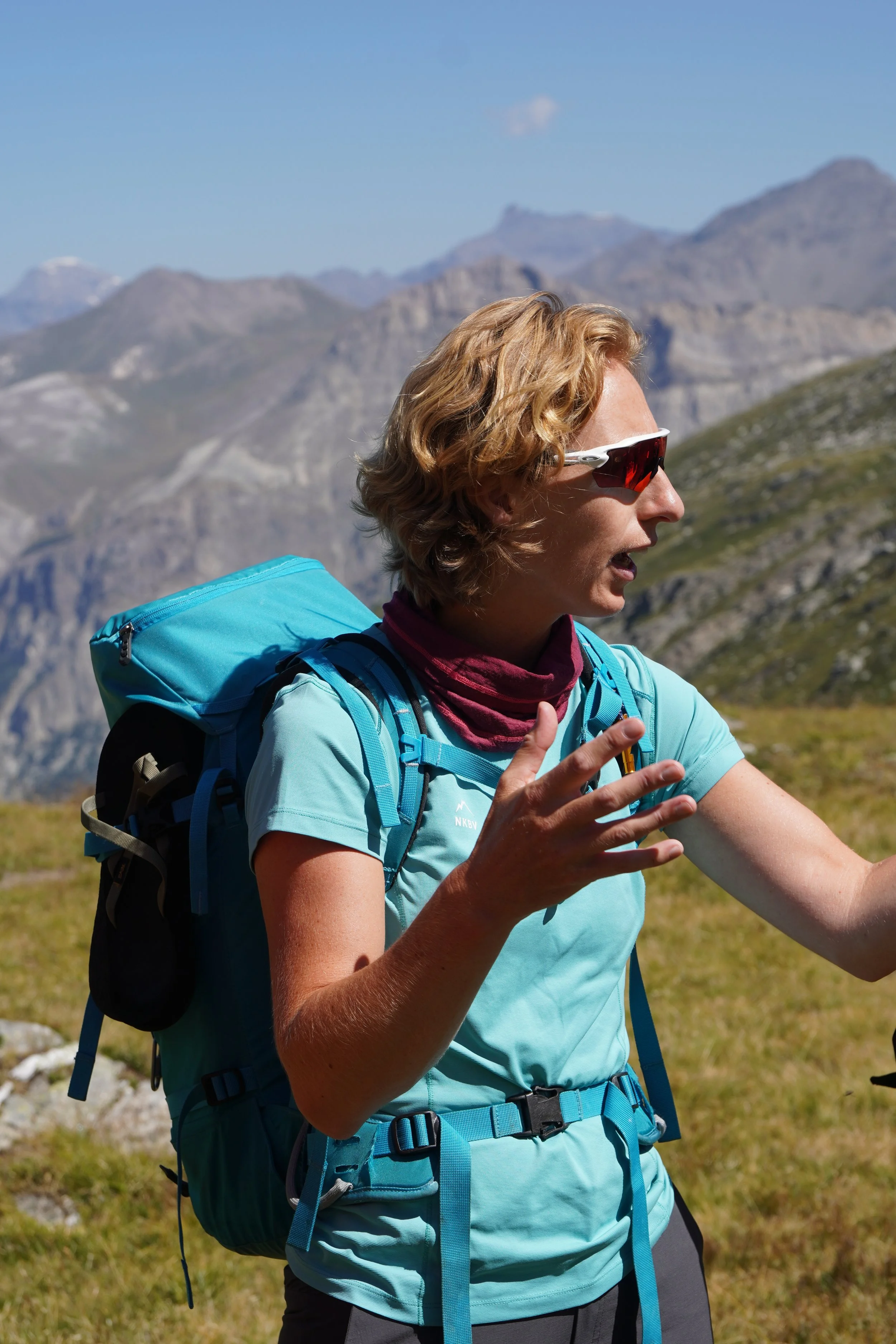
One of the first things Ellen notices when people go outside is that they naturally want to move more. There is the feeling of more space both physically and mentally. Bad weather can sometimes be a barrier, but overcoming that barrier can make the experience even more rewarding. (Such as running in the rain for the first time.) Getting through a cold or rainy day outdoors often leaves people with a sense of achievement and greater confidence in what they are capable of.
An experience that has stayed with her comes from the forest days at Sparrenhof estate in Tilburg, where primary school children spend an entire school day outside. “‘What stays with me most is the joy they radiate, even after five hours of playing in the forest,’” Ellen says. Without four walls around them and without being told what they have to do, children experience a sense of freedom and autonomy. Despite being physically active for hours, they often return calmer and more relaxed.
Nature also changes the way people work together. Being outdoors creates different and sometimes unexpected challenges, which according to Ellen, means people have to rely on one another in ways they might not indoors. The environment itself becomes part of the experience, rather than simply a backdrop.
That matters in what Ellen describes as a “hyper-nervous” society. Spending time in nature can help people build resilience and become more capable at dealing with stressful situations. It can also lower stress levels in the moment. Over time, feeling more connected to the natural world, something often referred to as nature connectedness, which can contribute to greater mental wellbeing.
Her favourite activity may be one of the oldest ways humans have connected with nature: building a campfire.
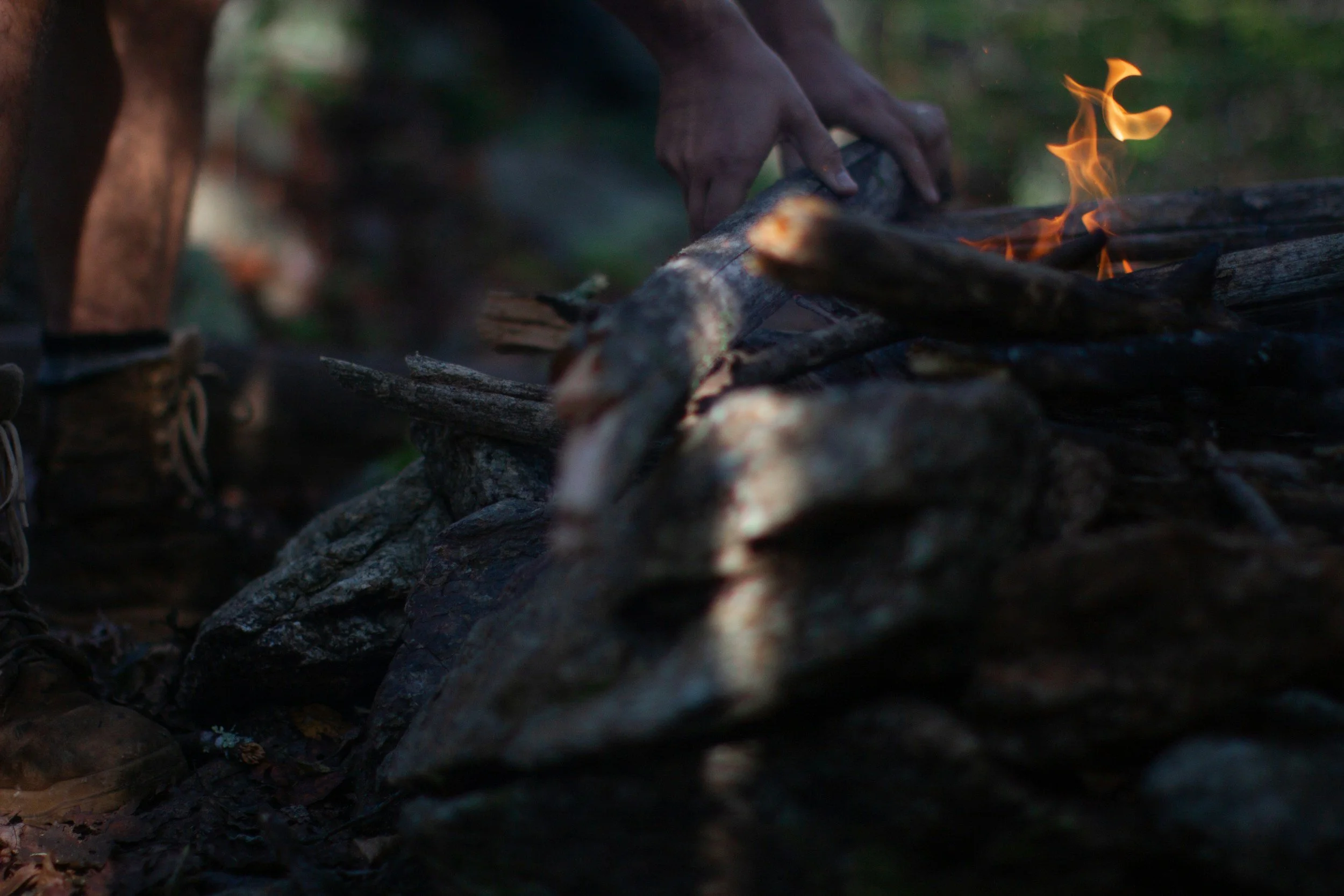
“‘Making fire is a very basic skill that’s essential for humans. It provides warmth, protection and the ability to prepare food. Evolutionarily, it’s a way to survive.’” But the fire offers something else too. Sitting around it creates a natural setting for conversation and reflection. A basic survival skill becomes an opportunity to connect with nature, with others and with ourselves.
Check Ellens work here: