
Outdoors, students take initiative they never show indoors
Stefan de Beukelaar, 55, teacher trainer Primary Education, Outdoor Play Boss at NatuurlijkSportief
Stefan de Beukelaar (55) is a teacher trainer in primary education, specialising in physical education and outdoor learning. He is also an Outdoor Play Boss at NatuurlijkSportief. Through his work at the teacher training college, he has become a strong believer in what happens when students learn and work together in nature.
“‘Outdoors, many of the stimuli and expectations of the classroom fall away, so young people often dare to be more themselves,”’ he says. “‘They move more freely, show more initiative and are more open to new experiences.’’
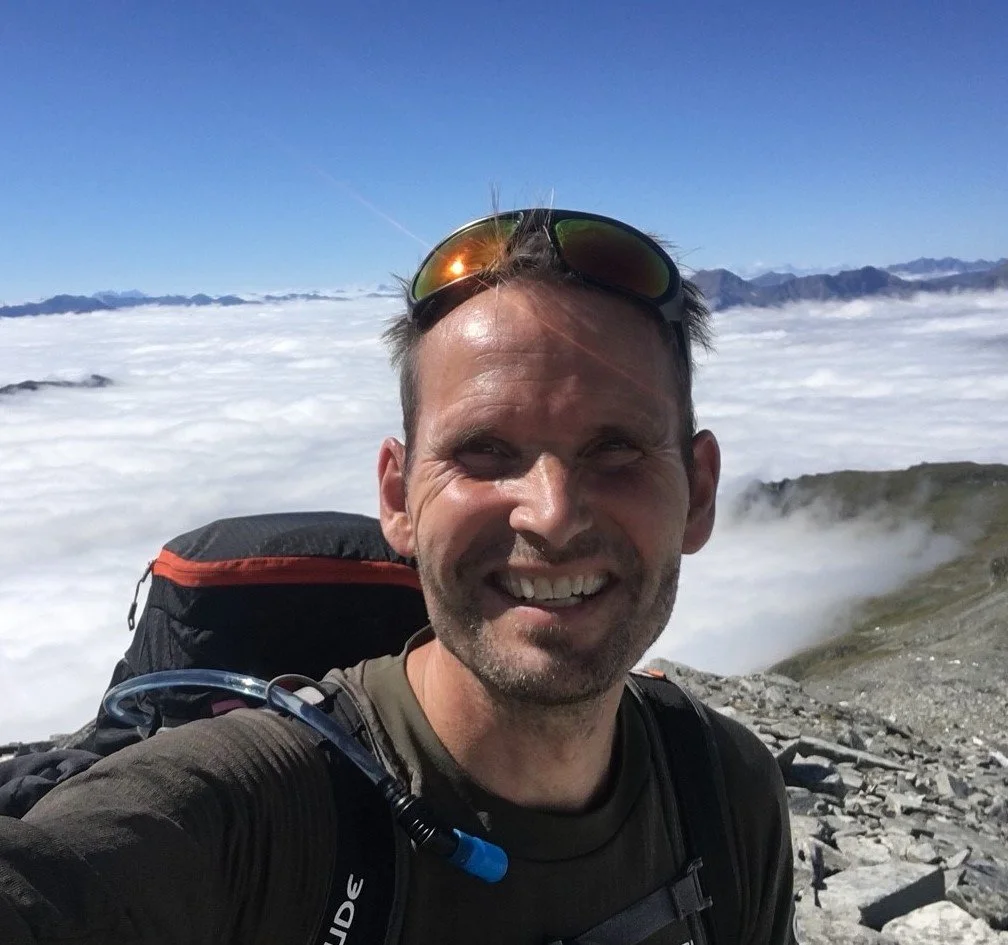
Nature invites discovery, cooperation and learning by doing, what Stefan describes as experiential learning. In a group, conversations, moments of cooperation and small challenges arise naturally, contributing to students' social development. "This is actually the behaviour of our original habitat," he says. At the same time, the quiet and space outdoors can create room for reflection. One-on-one conversations often become deeper and more personal as a result.
He saw this clearly during one of the final training days of Forest Lessons. The students were asked to make their personal development visible using materials they found in nature. They each found their own spot and started building and creating. "The conversations that took place there are not something I experience at the teacher training college," Stefan says. He saw more creativity in the presentations, more individuality and deeper reflection. And, perhaps importantly, there was no AI available to do the thinking for them.
Stefan's belief in outdoor learning is also shaped by three thinkers who have influenced his work: Peter Gray, Anders Hansen and Ken Robinson. Gray, author of Free to Learn and The Decline of Play, argues that children naturally develop through free play, exploration and taking their own initiative, opportunities that young people increasingly have less room for. Yet these experiences are important for developing self-confidence, resilience and wellbeing.
Anders Hansen's work in neuroscience highlights the importance of movement for the brain, including its effects on concentration, mood, stress regulation and learning. Ken Robinson, meanwhile, advocated for an education system that makes room for creativity, curiosity and each child's individual talents. For Stefan, nature is an ideal environment for bringing these ideas together.
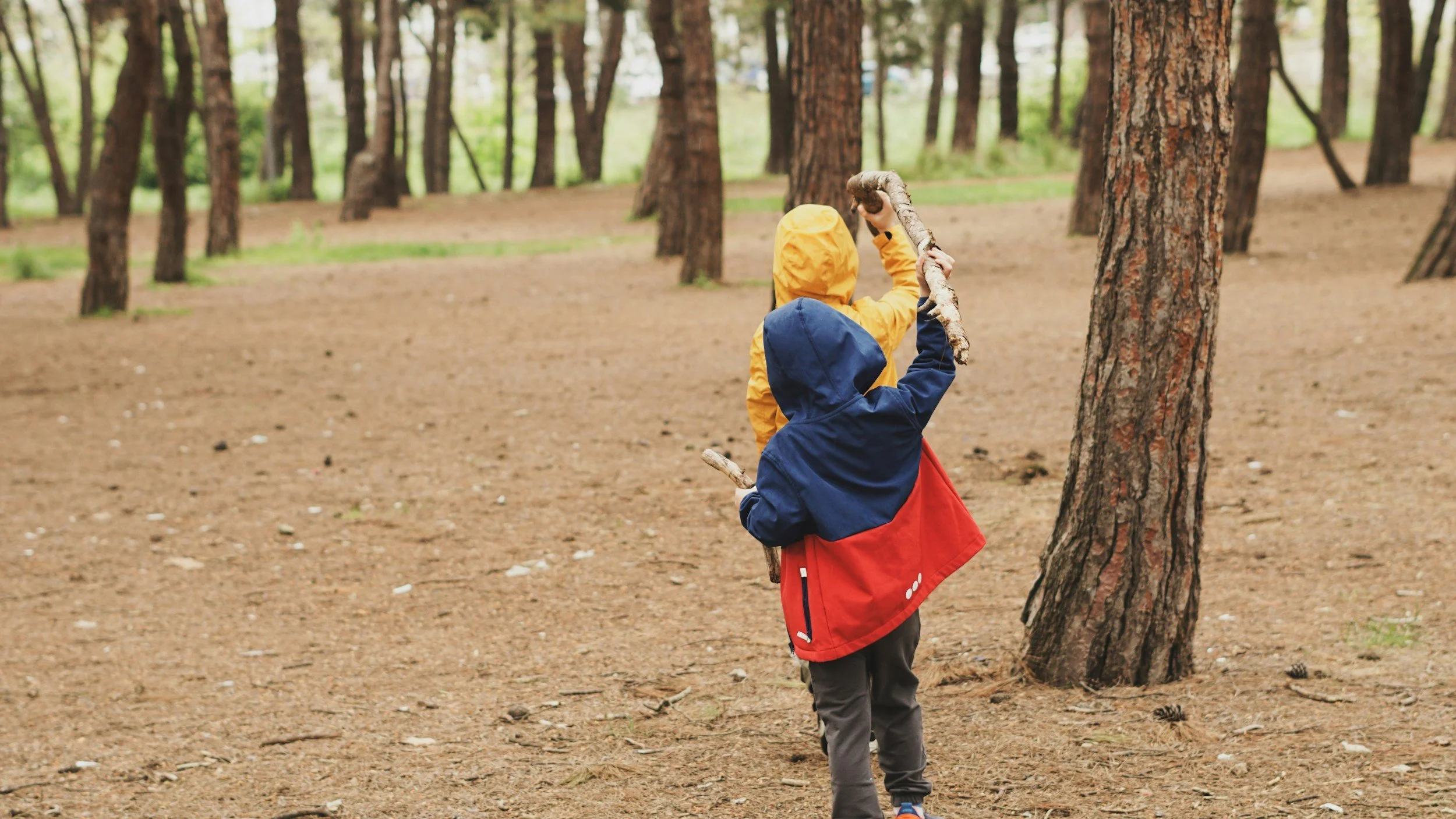
"From my own experience at the teacher training college, I see that young people are often more themselves outdoors. They move more, cooperate naturally and show talents that sometimes stay hidden in the classroom." A student who rarely speaks up in class may suddenly take the lead outside. Someone else discovers they are good at solving problems, being creative or looking after others. Outdoors, there is room to learn with head, heart and hands.
Many children and young people today are less naturally active than previous generations. Learning outdoors in natural environments offers an opportunity to give movement a more natural and meaningful place within education and development. It also creates opportunities for citizenship learning to emerge in an authentic way. Working together, taking responsibility, showing respect for others and the environment, and contributing to a group often happen organically outdoors, making citizenship something that is experienced rather than simply taught.
What I notice is that many young people are becoming less accustomed to small forms of discomfort. A walk in the rain, an outdoor lesson on a cold day, or travelling to a location without immediate facilities can sometimes be met with resistance. That is precisely why I believe outdoor learning is so valuable. Outside, students learn to deal with uncertainty, adapt to changing circumstances and often discover that they are capable of much more than they initially thought. These experiences help develop essential life skills such as resilience, perseverance and self-reliance.
He believes there is another important benefit to this: becoming more aware of who we naturally are. In an increasingly digital and artificial world, a connection with nature can no longer be taken for granted. Many young people grow up without regularly experiencing what a walk through a forest, a moment of silence, fresh air or simply being surrounded by a natural environment can do to them.
For Stefan, reconnecting with nature is therefore not about escaping modern life. It is about giving young people experiences that allow them to move, explore, create, cooperate and discover what they are capable of, in an environment where there is a little more room to simply be themselves.
Wanna know more about Stefans work? Check it here:
Stefan trains future primary school teachers at Fontys to make outdoor learning a regular part of their teaching. As Outdoor Play Boss at NatuurlijkSportief, he helps schools take their lessons outside. Curious how he works? Connect with Stefan on LinkedIn.