
"The best moments happen in the worst weather": Surrender to nature
Tymon Geul, 34, steward at Gump
Tymon Geul (34) is a steward at Gump, and his view of nature starts with a simple belief: “We are inseparably connected to nature,” he says. “Being outdoors isn’t something unusualfor us. It’s a natural state of being.” Nature gives us air, space and perspective, things that are often the first to disappear in the busyness of everyday working life.
He sees the effect as soon as people step outside. They relax. They arrive in the present moment. The pace of walking seems to become the pace of thinking, and conversations often go a little deeper than they would around a meeting table.
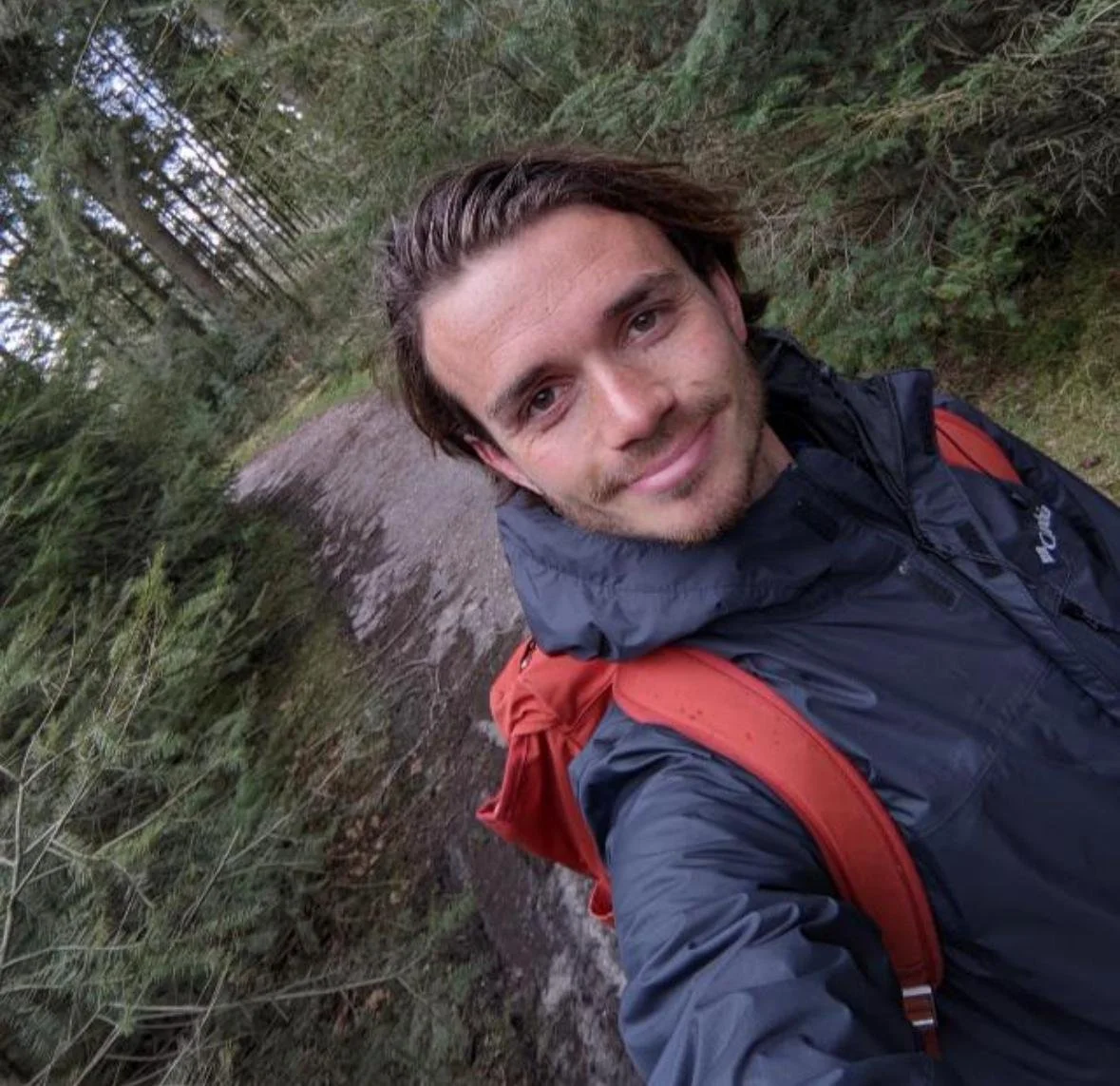
Nature doesn’t judge, but it also doesn’t bend to our plans. Some days are sunny, others are wet and stormy. At first, people often try to stay in control, checking weather apps and hoping for an indoor alternative. But Tymon has noticed that something changes when the weather gets really bad. “‘It’s exactly on the days when I take groups on the Pieterpad and the weather is at its worst that, at some point, a kind of surrender sets in,’” he says. Once people stop fighting the circumstances, something else tends to happen too: the group becomes closer. And afterwards, there is often a real sense of pride. We did this together. “‘Funny enough, those always turn out to be the most special moments.”’
The qualities he sees arising most often are creativity and deeper reflection. Outdoors, there is less pressure to think quickly, perform or come up with an immediate answer. “‘That rarely happens within the walls of a system, and certainly not in a space where you normally use your brain for quick, productive actions.’” Being outside allows the mind to slow down and shift gears. For Tymon, that creates room for thoughts and ideas that might otherwise remain out of reach.
He believes that staying connected to nature matters at every age. Young people naturally spend more of their lives in a digital world, and Tymon doesn’t see this as a disaster. It’s simply part of the world they are growing up in. What matters to him is that we don’t lose sight of what nature gives us in return, and how good it can make us feel. “‘I’m convinced that as long as we remain aware of that, we’ll keep taking good care of it. And that certainly includes the next generation.”’
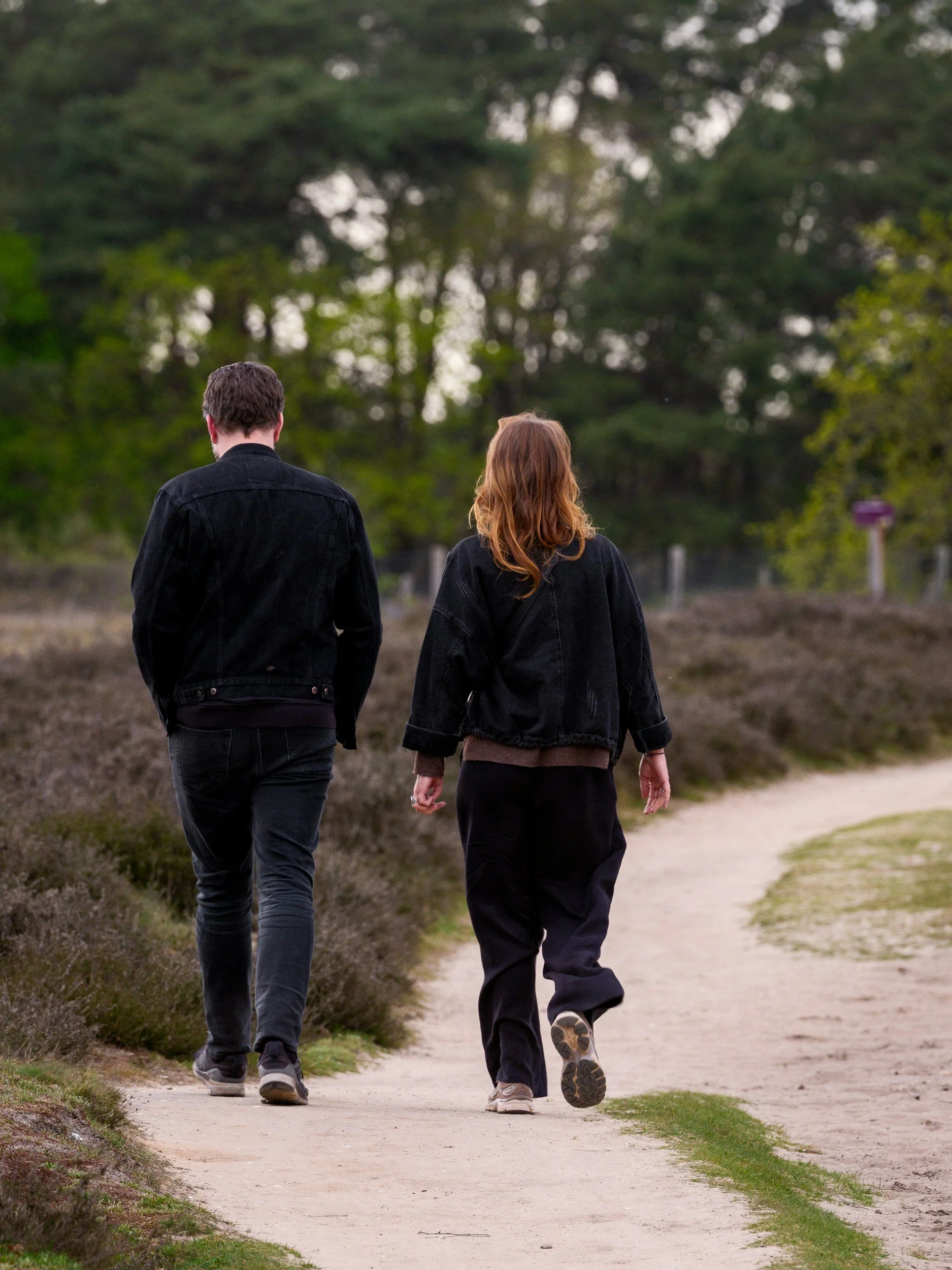
His favourite way of working with people is simple: walking and talking. Nature provides endless starting points for a conversation, whether it’s something you notice along the way, a question that comes up or a metaphor that suddenly feels relevant. A tree and its roots, for example, can become a way of thinking about your own core values.
“‘I like to offer people an exercise and then talk about what it brought up while we walk through nature.”’ For Tymon, that combination of movement, reflection and conversation is where nature really starts to do its work.
Want to know more about what Tymon does? Check it here: